
Replacing a cracked or foggy door glass doesn’t have to feel overwhelming. You can quickly find local professionals who offer emergency repairs, secure replacements, and custom glass options to fit your door and budget.
This article walks you through how to spot reliable local services for door glass replacement near me, what to expect during replacement, and how to verify safety and quality so you get a durable, secure result. You’ll learn practical steps to compare estimates, check credentials, and choose the right glass type for security and energy efficiency.
Finding Reliable Door Glass Replacement Services
Identify what matters most: verified local experience, clear pricing and warranty terms, suitable glass types for security and energy performance, and a safe, documented installation process.
How to Choose a Local Door Glass Replacement Company
Check licensing and insurance first. Ask for a current business license, proof of general liability insurance, and workers’ compensation if technicians will be on your property.
Review at least three customer references or recent online reviews. Look for projects that match your door type (entry, patio, commercial storefront) and note recurring comments about punctuality and cleanup.
Confirm on-site assessment and a written estimate. A reputable company will inspect the door frame, measure for custom glass, and provide a line-item quote for materials, labor, disposal, and any hardware replacement.
Verify installer qualifications and product sources. Ask whether technicians are factory-trained, which glass manufacturers they use, and whether they follow local building codes for safety glazing.
What to Expect During the Replacement Process
Expect an initial inspection and a precise measurement appointment. The installer should document frame condition, existing hardware, and any need for frame repair before ordering glass.
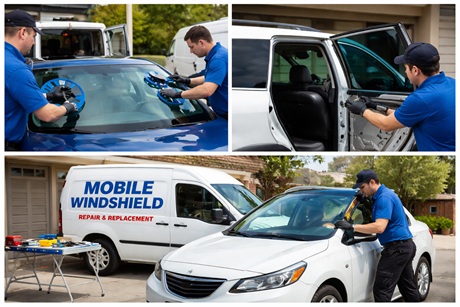
On install day, the crew should protect your floors and remove old glass safely, using gloves, suction tools, and protective sheeting. Fragile or tempered glass requires specific handling; confirm those procedures in advance.
Replacement typically includes sealing and weatherproofing. Technicians will set the glass, install sealant or glazing tape, replace or adjust hardware, and allow proper cure time for adhesives or sealants.
Ask for a final walkthrough and paperwork. You should receive an invoice, warranty details, and maintenance recommendations, plus before-and-after photos if you request them.
Understanding Different Types of Door Glass
Tempered glass increases safety by crumbling into small, less-harmful pieces on breakage. Use tempered glass for exterior doors that meet safety-code requirements.
Laminated glass holds together when shattered because of an interlayer, improving security and sound reduction. Consider laminated glass for ground-level doors or locations where forced entry is a concern.
Low-emissivity (Low-E) and insulated glass units (IGUs) improve energy performance. Choose Low-E coatings and double- or triple-pane IGUs when you want better insulation, reduced condensation, and lower heating/cooling costs.
Decorative and obscured glass options offer privacy and curb appeal. Options include frosted, patterned, stained, or etched glass—confirm whether decorative treatments are factory-applied or field-made.
Evaluating Costs and Warranty Options
Get at least three detailed quotes and compare line items. Typical cost drivers include glass type (tempered vs laminated), IGU configuration, custom sizing, hardware replacement, and any required frame repairs.
Ask about workmanship and product warranties separately. A solid warranty covers glass breakage due to defects, seal failure for insulated units (often 5–20 years), and a labor guarantee for installation errors (commonly 1 year).
Watch for exclusions and start dates. Read warranty fine print for prorated coverage, required maintenance, and whether replacements must use the original manufacturer or installer.
Factor in permits and energy rebates. Some municipalities require permits for exterior glass replacement; energy-efficient upgrades may qualify for rebates or tax incentives—ask the installer to help with paperwork.
Ensuring Quality and Safety
You will learn which installation choices improve performance, which safety certifications to check, and how routine care preserves function and appearance. Focus on correct glass type, certified installation, and a short maintenance plan to avoid common failures.
Benefits of Professional Installation
Hiring a licensed glazier ensures the correct glass type and thickness for your door — tempered, laminated, or insulated — based on code and exposure. Professionals measure precisely, use proper setting blocks and sealants, and align hardware so the door closes and locks without binding.
You get factory-grade replacement glass cut to spec and installed with correct fasteners and weatherstripping. That reduces drafts, prevents premature seal failure, and keeps warranties intact. Trained technicians also dispose of broken glass safely and often carry liability insurance for on-site accidents.
Expect quicker turnaround and fewer callbacks than DIY attempts. Pros can also spot related issues — worn hinges, rotted frames, or compromised weather seals — and correct them during the job, protecting the new glass and maintaining long-term performance.
Safety Standards and Certifications
Check for tempered or laminated glass that meets ANSI Z97.1 and CPSC 16 CFR 1201 safety glazing standards for impact resistance and fragmentation. Tempered glass breaks into small, less dangerous pieces; laminated glass holds together on impact and adds security and sound reduction.
Verify the installer’s credentials: local contractor license, proof of insurance, and manufacturer certifications for specific glass brands or hardware. Manufacturer certification often means trained installers who retain product warranties and follow approved installation methods.
Ask for documentation: product data sheets, safety glazing labels on the glass, and written warranties. Keep these records; they matter for insurance claims and resale disclosure requirements.
Maintenance Tips After Replacement
Inspect seals and glazing beads every 6–12 months. Look for gaps, hardened sealant, or moisture between panes; catching issues early prevents fogging and water damage. Replace worn weatherstripping to maintain energy performance.
Lubricate rollers and hinges with a silicone-based lubricant twice a year for sliding and hinged doors. Tighten loose fasteners and check lock alignment after seasonal frame movement. For insulated units, monitor for internal fogging — that indicates seal failure and usually requires professional replacement.
Clean with non-abrasive cleaners and a soft cloth to avoid scratching coatings. Avoid sanding or striking the glass; laminated and tempered surfaces can be damaged by rough treatment. Keep a copy of the installer’s maintenance recommendations and contact info for prompt service when needed.