
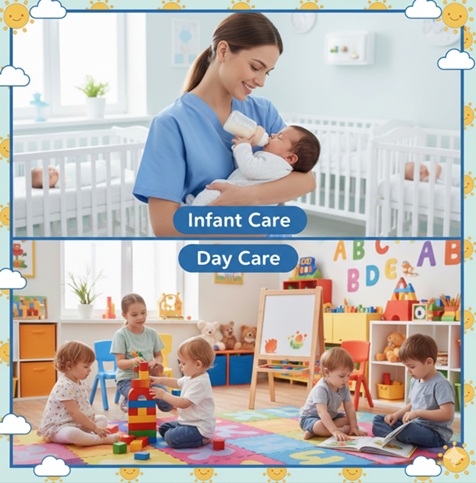
Choosing the best preschool in Chennai shapes your child’s first steps in learning and social life. Look for best preschool that combine qualified teachers, safe facilities, and a play-based curriculum so your child gains language, social and emotional skills from day one.
This article breaks down what top Chennai preschools offer — curriculum approaches, teacher-to-child ratios, extracurriculars, safety measures and fee considerations — so you can compare options quickly and confidently.
You’ll also find practical guidance on evaluating locations, admissions processes and which features matter most for your child’s personality and your family’s routine.
Key Features of the Best Preschools in Chennai
You should expect preschools to combine age-appropriate learning plans, well-qualified staff, and strict health and safety practices. These elements shape daily routines, classroom setups, and parent communication.
Curriculum and Learning Approach
Look for a play-based curriculum that integrates language, numeracy, motor skills, and social-emotional learning through structured activities. Good Chennai preschools use concrete materials—manipulatives, story props, sand/water tables—and short thematic units so children engage actively for 20–30 minute focused sessions.
Check for balanced daily schedules that mix free play, teacher-led circle time, outdoor play, and quiet reading. The curriculum should include measurable developmental milestones (fine motor: cutting, pre-writing; cognitive: sorting, sequencing; socio-emotional: turn-taking) and regular progress updates you can review.
Ask whether the school adapts to individual learning paces with differentiated tasks and whether it exposes children to two languages (usually English plus Tamil or Hindi) through immersion routines. Also confirm inclusion of basic art, music, and movement every day to support creativity and gross-motor development.
Teacher Qualifications and Experience
You should expect lead teachers to hold at least a diploma or degree in early childhood education, plus certified training in child development and classroom management. Experienced teachers typically have 3–5 years working with ages 2–5 and demonstrate lesson planning, formative assessment, and positive behavior strategies.
Verify ongoing professional development: look for regular in-service training on topics such as emergent literacy, inclusive practices, and safety certifications (first aid/CPR). Classroom aides should have background checks and basic ECE training to maintain consistent adult–child ratios.
During visits, observe teacher-child interactions for responsive language, scaffolding, and gentle redirection. Good teachers ask open-ended questions, model vocabulary, and use observational notes to tailor activities for each child’s growth.
Safety and Hygiene Standards
Insist on secure entry points, visitor sign-in systems, and controlled drop-off/pick-up procedures to prevent unauthorized access. Classrooms should have soft corners, secure storage for supplies, and age-appropriate furniture anchored to reduce hazards.
Review hygiene protocols: daily sanitation of toys, frequent handwashing schedules, separate nap mats cleaned weekly, and food safety practices for snacks (allergy policies and labeled containers). Check whether the school has a written illness policy that requires specific exclusion periods and clear communication when a child is unwell.
Confirm emergency preparedness—evacuation plans, routine drills, and staff trained in pediatric first aid. Also ask about background checks for all staff and CCTV in common areas (not bathrooms) so you can monitor safety without violating privacy.
Choosing the Right Preschool in Chennai
Focus on curriculum fit, teacher qualifications, safety measures, location, and fees. Also weigh daily schedule, teacher-to-child ratio, and real parent feedback to see how the school performs day-to-day.
Factors to Consider When Selecting a Preschool
Look for a clear curriculum—Montessori, play-based, or activity-led—and ask for a weekly plan that shows literacy, numeracy, motor skills, and language exposure in English and Tamil. Verify teacher credentials and staff turnover; regular staff with early childhood qualifications indicates stability.
Inspect safety and hygiene: secure entry, CCTV, first-aid trained staff, clean washrooms, and safe play equipment. Check teacher-to-child ratios (ideally 1:8–1:12 for preschool). Confirm the daily schedule includes outdoor play, nap/rest time, and snack/meal routines.
Compare location and timings for drop-off convenience and traffic patterns in your neighborhood. Review fee structure: admission, monthly, refundable deposits, and extra charges for transport, activity kits, or annual events. Request a trial day or short assessment visit before committing.
Parent Reviews and Community Reputation
Talk to local parents in your apartment complex, social groups, or school gate to get unfiltered impressions on punctuality, communication, and incident handling. Look for consistent comments about teacher responsiveness, clarity of progress reports, and how the school handles minor injuries or behavioral issues.
Read online reviews but treat extremes cautiously; focus on repeated themes across multiple sources. Ask the school for references—parents whose children recently completed the preschool year—and request to observe a class during drop-off or transition times.
Check community reputation for extracurriculars and cultural events that matter to you, such as language classes, arts, or sports. Confirm whether the school partners with child psychologists or special educators if your child needs tailored support.